
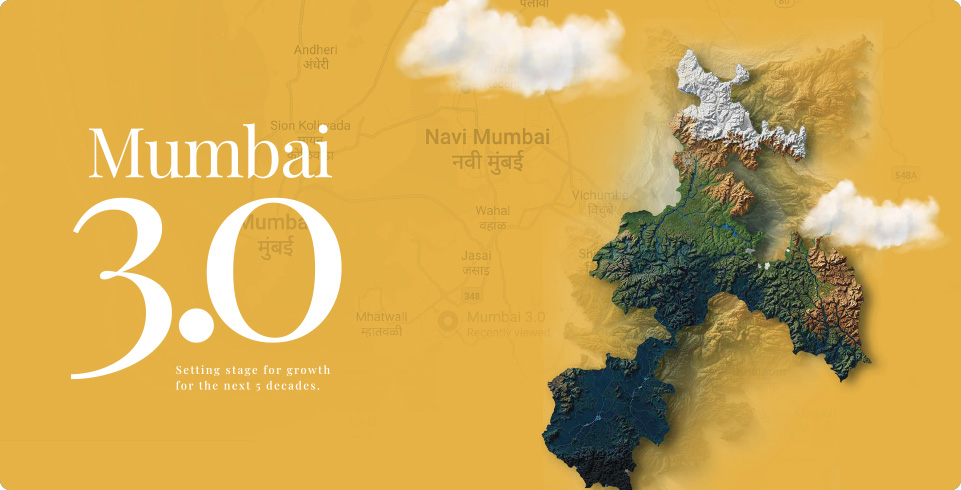


Gateway To The Konkan Coast
Juxtaposed between Mumbai and Pune, Raigad opens the gateway to the Konkan coast. Its central location makes it ideal for residential, commercial, and industrial development, while offering unparalleled connectivity to India’s financial and industrial heartlands.

Nature’s Own Paradise
Raigad is blessed with a stunning coastline - Alibaug, Kashid, Murud, and Shrivardhan - along with the majestic Sahyadri hills and an abundant river network, including Patalganga, Amba, Kundalika, Savitri, and Ulhas, offering a perfect blend of nature’s finest landscapes.

Best Of Connectivity
Growing Infrastructure is transforming Raigad into a growth hub:
- Navi Mumbai International Airport (NMIA) — bringing global connectivity.
- Mumbai Trans Harbour Link (MTHL) — reducing travel time to South Mumbai to under an hour.
- Mumbai–Pune Expressway & Panvel–Bhimashankar Highway — seamless regional access.
- Virar–Alibaug Multi-Modal Corridor — integrating urban and coastal regions.

Economic Potential
Ports, logistics hubs, and industrial corridors are driving growth:
- JNPT, Dighi & Rewas Ports — trade and employment hubs.
- Industrial townships & MIDC expansions — creating long-term commercial demand.
- DMIC influence — integrating Raigad into India’s economic corridors.
Growth-Bed Of Lifestyle & Leisure
Raigad is attracting high net-worth homebuyers and developers:
- Luxury villas, plotted developments, and weekend homes.
- Resorts and boutique hotels (Taj, Radisson, Hyatt, Novotel) validating premium lifestyle demand.
- Eco-tourism and recreational zones — blending modern living with nature.
Karjat & Chowk Belt -
Crafted For The Next Generation
Karjat is emerging as a next-gen luxury haven, blending nature’s tranquility with modern living. With enhanced connectivity from Mumbai and Pune, upcoming residential enclaves, and lifestyle amenities, it’s an ideal destination for a second home or long-term investment, offering both serenity and strong growth potential. Major infrastructure projects like the Panvel–Karjat railway corridor and upgraded highways are making Karjat more accessible and investment-ready.
Lifestyle Landmarks:
- Radisson Blu Plaza Resort
- Hyatt Karjat, Paramount Riverfront, U Rivergate
- Silvanus Forest Retreat, The Fern Ecotel, Meritas Picaddle Resort
- SaffronStays Earl Grey Villa, The Art Village, Adamo The Resort
- ND Studios, Oleander Farms Luxury Resort, Saltt Restaurant & Bar

Khopoli-Pali-Khalapur Belt
The New Axis Of Growth
Strategically located along key industrial and highway networks, this belt is poised for rapid growth. Infrastructure upgrades and planned townships are elevating living standards, making it a prime choice for second homes or smart long-term investments.
Lifestyle Landmarks:
- Novotel Imagica
- Radisson Resort
- Hilton Hotel
- The Grand Leela Resort
- Mastiff Grand The Sia Palace
- UK’s Resort
Alibaug-Revdanda-Kashid-Murud Belt
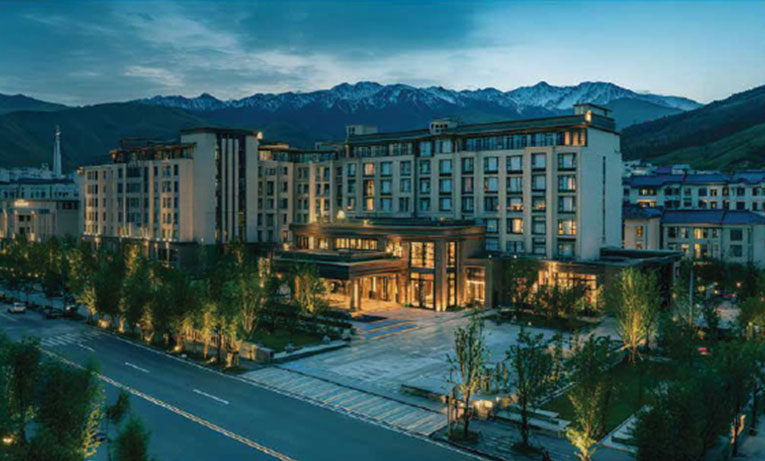
A New Era Of Seaside Living
Coastal charm meets upscale living here, with infrastructure like improved ports, roads, and luxury resorts in progress. Early entry ensures you are part of the next-generation beach lifestyle, where property appreciation is expected to be significant.
Lifestyle Landmarks:
- Taj Alibaug Resort & Spa
- Radisson Blu Resort & Spa
- Golden Swan Beach Resort, Paradise Villas, Ekaant Resort, Moksha Resorts
- SaffronStays Mango Huts
Shrivardhan
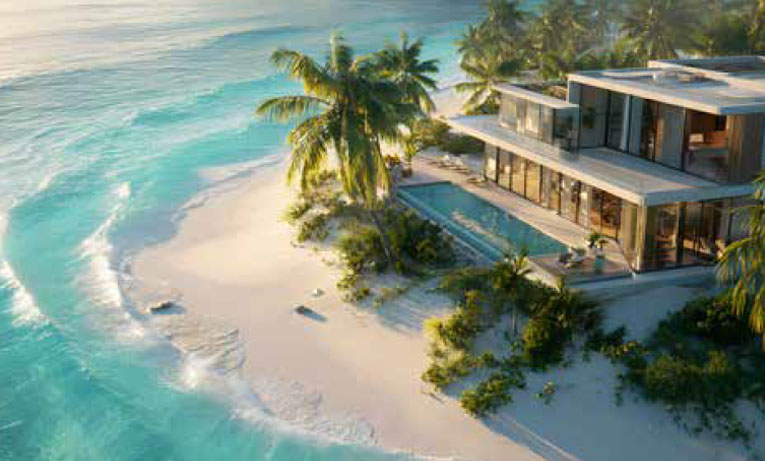
The Walkeshwar Of Tomorrow
Shrivardhan is poised to become Mumbai’s next premium coastal retreat. With upgraded infrastructure, improved connectivity, and new lifestyle developments, it offers an ideal second-home destination and a smart investment with strong future returns.
Lifestyle Landmarks:
- IHG Hotels And Resorts
- Boutique Coastal Resorts & Villa Clusters
- Private Retreat Villas & Managed Clusters