
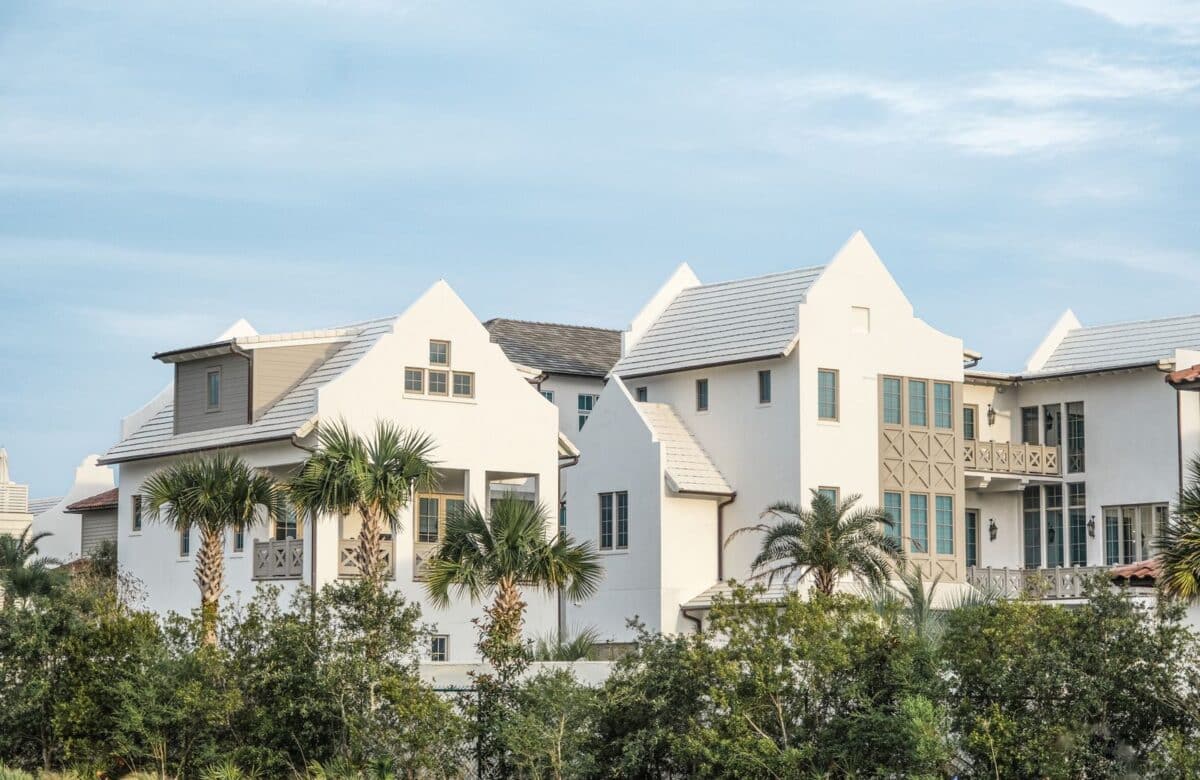
Farmhouse vs Gated Villa Plot on the Khopoli-Pali Road
Farmhouse vs villa plot on the Khopoli-Pali road: the two most common ways to own a weekend place here differ sharply on land type, legality, approvals, cost and upkeep – so match the choice to how you will actually use it.
- A farmhouse usually means a larger, often agricultural or part-agricultural parcel you hold and manage yourself – more land, more privacy, more responsibility.
- A gated villa plot is a non-agricultural (NA) plot inside a planned, shared-infrastructure layout – smaller, simpler to build on, with common amenities and maintenance.
- In Maharashtra, buying agricultural land carries conditions on who may purchase it, and you generally need NA or proper permission to build a residence – verify before you buy.
- A qualifying plotted layout must be MahaRERA-registered (broadly, layouts over 500 sq m or more than eight plots); a one-off farm parcel usually is not.
- Neither is “better” in the abstract – the right pick depends on budget, how hands-on you want to be, and the specific plot’s title and approvals.

Farmhouse vs villa plot: what is the real difference?
A farmhouse is typically a larger, often agricultural or part-agricultural parcel you own and run on your own – more space and privacy but more to manage. A gated villa plot is a non-agricultural plot inside a planned layout with shared roads, security and amenities – smaller and simpler, but with rules and common charges.
The words get used loosely, so it helps to be precise. On the Khopoli-Pali road, a “farmhouse” plot usually points to a bigger piece of land – sometimes still agricultural – where you control the boundary, the planting and the build, and where neighbours are distant. A “gated villa plot” points to a surveyed, non-agricultural plot carved out of a developer’s layout, with internal roads, a gate, security, water and power lines and often a clubhouse, governed by a shared set of rules and a maintenance body.
That single distinction – one parcel you manage alone versus a plot inside a managed community – drives almost every other difference below: legality, approvals, cost, upkeep and resale.
| Dimension | Farmhouse parcel | Gated villa plot |
|---|---|---|
| Typical land type | Often agricultural / part-converted | Non-agricultural (NA), plotted |
| Size | Larger | Smaller, standardised |
| Infrastructure | You arrange it | Shared, provided by the layout |
| Upkeep | Self-managed | Common maintenance body |
| Privacy | High | Community setting |
Which is simpler to buy and own legally?
A gated villa plot is usually simpler, because it is already non-agricultural and part of an approved layout. A farmhouse on agricultural land is more involved: Maharashtra restricts who can buy agricultural land, and you generally need NA conversion or proper permission before building a residence.
This is the single biggest practical gap. An NA villa plot in a sanctioned layout comes with much of the regulatory work done – the land use is settled and the layout is approved. A farmhouse parcel that is still agricultural is a different matter. Maharashtra law places conditions on the purchase of agricultural land, and using or building on it for non-farm purposes generally requires conversion to NA or the appropriate permission. Skipping that step is where buyers get into trouble.
So if your priority is a clean, low-friction purchase, the gated plot has the edge. If you want the space and independence of a farm parcel, budget for the extra legal diligence and the conversion process, and get written confirmation of your eligibility to buy and build before you pay.
How do approvals and infrastructure compare?
A gated villa plot comes with layout-level approvals and shared infrastructure – internal roads, water, power and often a clubhouse – already planned. A farmhouse parcel leaves approvals and every utility to you, which means more control but more cost, time and coordination.
In a planned gated layout, the developer has secured the layout sanction and laid the common infrastructure, and your job narrows to approvals for your own structure. On the Khopoli-Pali road that layout approval runs through either the NAINA/MSRDC regime at the Khopoli-Khalapur end or the Raigad Regional Plan and UDCPR 2020 at the Pali-Sudhagad end – so confirm which authority sanctioned the layout.
A standalone farmhouse parcel gives you a blank canvas and the headaches that come with it: you arrange the approach road, the water source (borewell or scheme connection), the power line and the building permission yourself. For buyers who want to shape every detail, that is the appeal; for buyers who want to turn up and build, it is friction.
What do the two cost to buy, build and maintain?
A farmhouse parcel usually has a lower per-sq-ft land rate but a larger total size and more self-funded infrastructure, so total outlay can be high. A gated villa plot often carries a higher per-sq-ft rate that bundles shared infrastructure, plus ongoing maintenance charges. Corridor land asks roughly ₹2,000-9,000 per sq ft overall.
Think in total cost of ownership, not headline rate. A farm parcel can look cheap per sq ft, but it is bigger and you pay separately to make it usable – approach, water, power, fencing – and you carry all the upkeep. A gated plot’s higher rate typically reflects roads, security, utilities and amenities already in place, with a recurring maintenance contribution to keep them running. Across the corridor, asking prices span roughly ₹2,000-9,000 per sq ft by village, access and NA status; the gated-versus-farm choice sits within that band rather than outside it. As always, these are asking bands, not quotes – price any plot against its own ready-reckoner rate and recent registered deals.
How do they differ on resale and RERA?
A gated villa plot in a MahaRERA-registered layout tends to be easier to resell, with clearer paperwork and a recognisable product. A farmhouse parcel can appeal to a narrower set of buyers and usually falls outside RERA, so diligence rests more heavily on you. Neither is guaranteed to appreciate.
Liquidity follows familiarity. A clean NA plot in a registered, well-run layout is a product many weekend-home buyers understand and banks are comfortable lending against, which can help at resale. A large farm parcel is a more specialised purchase – wonderful for the right buyer, slower to move for the average one – and, being a one-off rather than a qualifying layout, typically sits outside MahaRERA, so title and approval checks fall squarely on the purchaser. On returns, the honest line is the same for both: appreciation depends on the plot, demand and infrastructure delivery, and no one can promise it.
Farmhouse vs villa plot: which should you choose on the Khopoli-Pali road?
Choose a gated villa plot if you want simplicity, shared infrastructure and easier resale; choose a farmhouse parcel if you want space, privacy and full control and are willing to do the legal and infrastructure legwork. In both cases, the specific plot’s title, NA status and approvals matter more than the label.
- ✓Be honest about effort. Hands-off buyers suit gated plots; hands-on buyers who want space suit farm parcels.
- ✓Check land type first. Agricultural land carries purchase and build conditions in Maharashtra – confirm eligibility and the NA route.
- ✓Confirm the layout’s RERA status. For a gated plot, verify the MahaRERA number and the sanctioned layout plan.
- ✓Budget total cost of ownership. Include infrastructure and maintenance, not just the land rate.
- ✓Match to the planning regime. NAINA/MSRDC at the Khopoli end, Raigad Regional Plan / UDCPR 2020 at the Pali end.
- ✓Diligence the plot, not the pitch. Title, 7/12, tenure and approvals decide value either way.
Frequently asked questions
What is the difference between a farmhouse and a gated villa plot?
A farmhouse is typically a larger, often agricultural or part-agricultural parcel you own and manage yourself, with more space and privacy but more responsibility. A gated villa plot is a non-agricultural plot inside a planned layout with shared roads, security, utilities and amenities – smaller and simpler to build on, but with community rules and common maintenance charges.
Can anyone buy agricultural land for a farmhouse in Maharashtra?
Not freely. Maharashtra places conditions on who may buy agricultural land, and building a residence on it generally requires NA conversion or proper permission. A farmhouse listing does not automatically mean you can buy and build. Confirm your eligibility, the land’s tenure and the conversion route with a local lawyer and the Collector’s office before committing. This is general information, not legal advice.
Is a gated villa plot easier to resell than a farmhouse?
Often, yes. A clean non-agricultural plot in a MahaRERA-registered, well-run layout is a familiar product that many weekend-home buyers understand and banks are comfortable lending against, which can help at resale. A large farm parcel appeals to a narrower set of buyers and can move more slowly. Neither, however, is guaranteed to appreciate.
Does a farmhouse plot need RERA registration?
Usually not. MahaRERA registration applies to qualifying plotted layouts – broadly those over 500 sq m or more than eight plots – so a gated villa layout typically must be registered, while a one-off farmhouse parcel generally falls outside it. That means title and approval diligence on a farm parcel rests more heavily on the buyer. Verify the specifics for any plot.
Which is cheaper on the Khopoli-Pali road?
It depends on how you count. A farm parcel often has a lower per-sq-ft rate but is larger and needs self-funded infrastructure, so total outlay can be high. A gated plot usually carries a higher rate that bundles shared infrastructure, plus recurring maintenance. Corridor asking prices span roughly ₹2,000-9,000 per sq ft; think in total cost of ownership, not headline rate.
Which approval regime applies on the Khopoli-Pali road?
It depends on the location. The Khopoli and Khalapur end sits inside NAINA, where MSRDC is the Special Planning Authority; the Pali and Sudhagad end falls under the Raigad Regional Plan and UDCPR 2020, with permissions through the Collector or Town Planning and the gram panchayat. Confirm which authority sanctioned a gated layout, or will approve your farmhouse build, for the exact survey.
Lords of the Lands is developing a plotted project on the Khopoli-Pali road, and our team can help you weigh a gated plot against a farm parcel for your budget and plans – and read the title, NA status and approvals for a specific parcel.
Related reading
On the Khopoli-Pali road
- The complete Khopoli-Pali road land guide – the SH-93 corridor hub
- Khopoli vs Pali land – which end of the road suits you
- Khopoli-Pali land prices in 2026 – the asking bands by village
- A weekend home on the Khopoli-Pali road – building a second home here
- Khopoli to Pali drive times – how long each leg really takes
- Pali land in 2026 – buying in Sudhagad taluka
- Buying land in Pali and Sudhagad – a step-by-step guide
- The villages along the Khopoli-Pali road – a village-by-village look
- The Khopoli-Pali road in 2030 – what is coming next
- Mumbai to Khopoli-Pali – the route and drive time
Living & building here
- The Pali-Sudhagad lifestyle – what living here is like
- Gated vs open plots in Pali – which layout to choose
- Water and power for a Khopoli-Pali plot – getting utilities to the land
- The weekend plot buyer’s checklist – what to verify before you buy
- Building permission on a Khopoli-Pali plot – the approval route
Prices & corridors
- What a 25 lakh budget buys – entry-level plots on the road
- What 50 lakh to 1 crore buys – mid-budget plots on the road
- What a weekend villa plot costs on SH-93 – the all-in budget
- Khopoli land in 2026 – the Expressway-end town
- Khalapur land in 2026 – the taluka around Khopoli
- Karjat land prices in 2026 – the neighbouring market
- Karjat vs Khopoli – two corridors compared
- Khopoli-Pali vs Karjat and Lonavala – how the corridors compare
- Samruddhi Mahamarg land – the Nagpur-Mumbai corridor
Citations and sources
Agricultural land purchase and use conditions, and NA conversion – Maharashtra Land Revenue Code and Tenancy law (general); verify current rules with a local lawyer and the Collector’s office. MahaRERA plotted-layout registration thresholds (broadly layouts over 500 sq m or more than eight plots) – MahaRERA. Planning regimes: NAINA / MSRDC (Khopoli-Khalapur) and Raigad Regional Plan (1991) with UDCPR 2020 (Pali-Sudhagad) – Urban Development Department, Government of Maharashtra. Corridor asking band ₹2,000-9,000 per sq ft as of October 2026, varying by plot. This is general information, not legal, tax or investment advice – verify every plot’s land type, title and approvals independently before you transact. Official sources: MahaRERA · Maharashtra Govt (Revenue & Forest / MLRC) · UDCPR / Urban Development Dept · CIDCO / NAINA.
