
Hidden Gems Around Pali and Sudhagad Most Visitors Miss
Most people stop at the Ballaleshwar temple and drive on. But the hidden gems around Pali – the forts, the hot springs and the Amba river valley in Sudhagad taluka – reward anyone who stays a little longer.
- Sarasgad fort rises right behind Pali town, with four rocky pinnacles, a Shiva temple and valley views – yet most pilgrims never climb it.
- Sudhagad fort, about 11 km east of Pali, is one of the best-preserved trekking forts in the area.
- The Unhere (Uddhar) hot springs near Pali are sulphur-rich thermal pools set in rock.
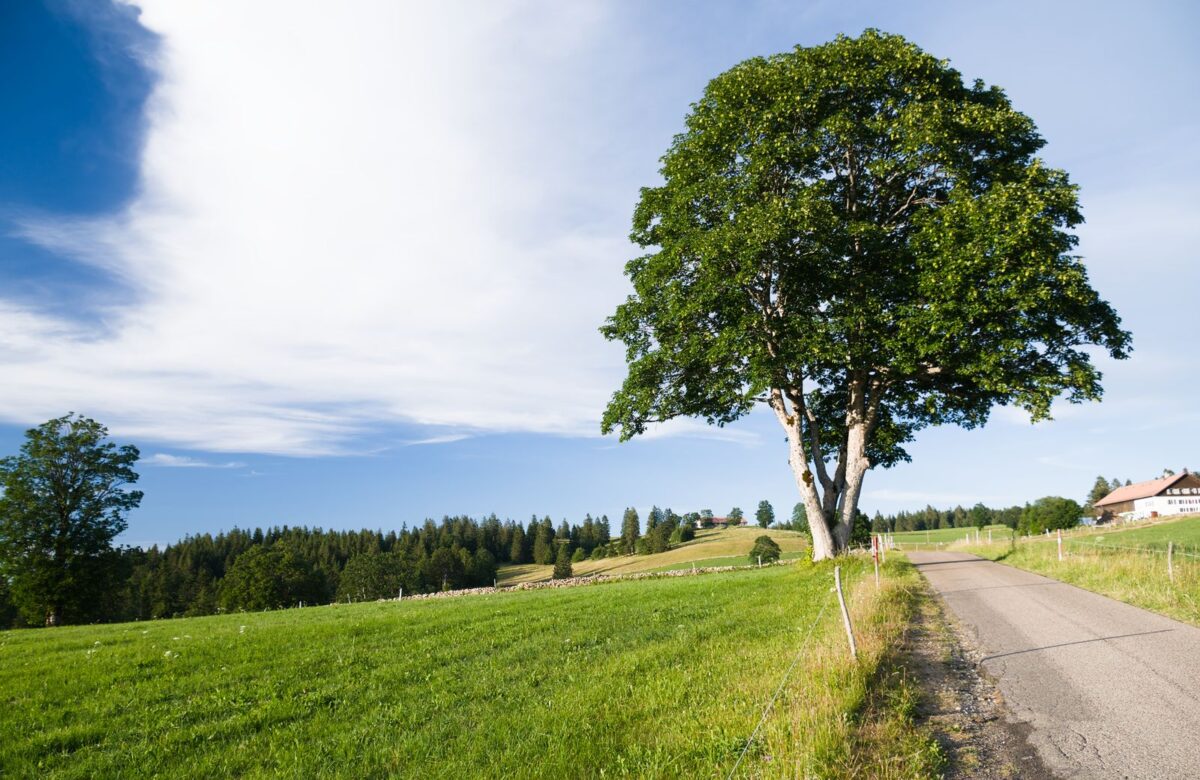
- The Amba river and the Konkan plains give the Pali-Sudhagad countryside its quiet, green character.
- All of these sit in Sudhagad taluka of Raigad, an easy add-on to a Ballaleshwar visit or a Khopoli-Pali road trip.
What are the hidden gems around Pali and Sudhagad?
The quiet highlights around Pali are Sarasgad fort rising right behind the town, the well-preserved Sudhagad fort about 11 km east, the sulphur Unhere hot springs, and the Amba river valley – all in Sudhagad taluka of Raigad, and all easy to miss if you only stop for the Ballaleshwar temple.
Pali is best known as the home of Ballaleshwar, one of the eight revered Ashtavinayak Ganpati temples. Most visitors treat it as a quick darshan stop. That is a pity, because the countryside around Pali packs in forts, a natural hot spring and a river valley within a short drive.
Here is how the main hidden gems compare, so you can decide what to add to your day.
| Hidden gem | What it is | Best for |
|---|---|---|
| Sarasgad fort | Compact hill fort just east of Pali | Short trek, valley views |
| Sudhagad fort | Large, well-preserved trekking fort | Half-day trek, history |
| Unhere hot springs | Sulphur thermal pools in rock | A quiet, unusual stop |
| Amba river valley | River and Konkan plains scenery | Slow drives, greenery |
Where is Sarasgad fort, and why do most visitors miss it?
Sarasgad fort stands immediately east of Pali town, looming over the Ballaleshwar temple, yet most pilgrims never climb it. It is a compact hill fort with four rocky pinnacles, a Shiva temple and wide views over the Amba valley and Pali.
Also called Pali Fort or Pagdicha Killa, Sarasgad is hiding in plain sight – you can see it from the temple. The climb is short but steep in parts, with a set of carved rock steps near the top leading to the Dindi gate. Regular walkers reach the top in roughly one and a half to two and a half hours.
Because pilgrims usually come only for the temple, the fort stays quiet. In the monsoon the route turns slippery and should be treated as a moderate trek rather than an easy one.
What makes the Unhere hot springs near Pali worth finding?
The Unhere (also called Uddhar) hot springs near Pali are sulphur-rich thermal pools set in rock, close to the Ganesh temple – a rare natural hot spring in the Sahyadri foothills that few weekend crowds reach.
Natural hot springs are uncommon in this part of the Konkan, which is what makes Unhere a genuine curiosity. The warm, sulphur-scented water collects in rock-cut pools. It is a local, low-key spot rather than a developed resort, so go with modest expectations and respect the place and the people who use it.
How do you reach Sudhagad fort from Pali?
Sudhagad fort lies about 11 km east of Pali, roughly 25 km south of Lonavala and 50 km west of Pune. The usual trek starts from a village base below the fort and climbs about 3 km through forest and rocky steps to the plateau.
Sudhagad, also known as Bhorapgad, is a broad, forested fort with old gateways, water cisterns and a large plateau – a favourite with trekkers who want history and space without big crowds. From the base village the ascent is moderate and takes a couple of hours at an easy pace.
Carry water and start early, especially in warmer months. From the top, on a clear day, you can see the Amba river and the villages spread out below.
Why is the Amba river valley worth a slow detour?
The Amba river rises in the Sahyadris and winds past the Pali-Sudhagad countryside before reaching Dharamtar creek and the Arabian Sea; the villages along it, framed by Sarasgad and Sudhagad, give the area its green, unhurried character in and after the monsoon.
The Amba is the thread that ties this landscape together. It feeds the paddy fields and the Konkan plains west of Pali and is at its fullest during and just after the rains. A slow drive along the lanes near the river, with the two forts on the skyline, is the kind of scenery that makes people linger in this corridor.
When is the best time to explore these hidden gems?
October to February is the most comfortable window for the forts and the river valley, with mild weather of roughly 12-25 C; the monsoon from June to September is greenest and best for the hot springs and waterfalls, but fort trails turn slippery and need care.
If you want to actually climb Sarasgad or Sudhagad, the cool, dry winter months are ideal. If you are chasing greenery, mist and full rivers, come in the monsoon – but treat the forts as something to admire rather than scramble up, and keep well away from fast-flowing water.
FAQ
What are the hidden gems near Pali in Raigad?
The quieter highlights near Pali are Sarasgad fort just east of the town, the well-preserved Sudhagad fort about 11 km away, the Unhere sulphur hot springs, and the Amba river valley. All lie in Sudhagad taluka of Raigad and are easy to combine with a visit to the Ballaleshwar Ashtavinayak temple.
Is the Sarasgad fort trek difficult?
Sarasgad is a short but steep climb with carved rock steps near the top, taking most walkers about one and a half to two and a half hours. It is moderate in dry weather and becomes slippery and harder in the monsoon, so wear good shoes and take care on the rock sections.
How far is Sudhagad fort from Pali?
Sudhagad fort is about 11 km east of Pali, roughly 25 km south of Lonavala and about 50 km west of Pune. The trek to the top starts from a village base below the fort and takes a couple of hours at an easy pace through forest and rocky steps.
Can you visit the Unhere hot springs near Pali?
Yes. The Unhere, or Uddhar, hot springs are sulphur-rich thermal pools set in rock near Pali and its Ganesh temple. It is a local, low-key spot rather than a developed resort, so visit respectfully and keep your expectations simple.
What is the best season to visit Pali and Sudhagad?
October to February is the most comfortable time, with mild weather around 12 to 25 C that suits the forts and the river valley. The monsoon from June to September is the greenest, but trails turn slippery, so the forts are then better admired than climbed.
Is Pali worth visiting beyond the Ballaleshwar temple?
Yes. Beyond the Ballaleshwar Ashtavinayak temple, Pali offers Sarasgad fort behind the town, Sudhagad fort a short drive east, the Unhere hot springs and the Amba river valley, making it a rewarding base for a one or two day trip rather than a quick darshan stop.
The Pali-Sudhagad countryside is the kind of place people keep returning to – and some of them end up wanting a plot of their own along the Khopoli-Pali road. If that is you, Lords of the Lands knows this corridor well and is happy to show you around.
Related reading
Plan your trip
- Ballaleshwar Ashtavinayak temple – the devotee-named Ganpati shrine at the heart of Pali.
- Sarasgad fort trek – the turban-shaped hillfort rising straight above the town.
- Sudhagad fort trek – the big plateau fort a short drive on, good for an overnight.
- Trekking near Khopoli-Pali – the wider trail list across the corridor.
- Fort-hopping itinerary – how to string the area’s forts into one trip.
- Unhere hot springs – warm sulphur rock-cut pools near the Pali temple.
- Amba river nature – the quiet Konkan river country around Pali.
- The Ashtavinayak route via Pali – fitting Ballaleshwar into the eight-temple circuit.
- Things to do in Pali – the temple, forts and springs of the Pali side.
- Things to do in Khopoli – the busier, Expressway end of the road.
- Places to visit around Khopoli-Pali – the full corridor sightseeing map.
- Imagicaa theme park, Khopoli – the big family day out near the Expressway.
- Family days out in Khopoli – easy outings for all ages.
- Waterfalls near Khopoli – monsoon cascades within easy reach.
Getting there
- Mumbai to Khopoli-Pali – routes and drive times from the city.
- Pune to Khopoli-Pali – the Expressway approach from Pune.
- Khopoli to Pali drive times – how long each leg of SH-93 really takes.
- Khopoli-Pali to the Navi Mumbai airport – distance and time to NMIA.
Land & investment nearby
- The complete Khopoli-Pali road land guide – the SH-93 corridor, survey by survey.
- Buying land in Pali in 2026 – prices and checks on the Pali side.
- Land near Ballaleshwar and Sarasgad – plots around the temple town.
- A weekend home on the Khopoli-Pali road – building a second home here.
- Khopoli land in 2026 – the Expressway-end land market.
- Weekend villa plot costs on SH-93 – what a build-ready plot really runs to.
Sources
Sarasgad and Sudhagad fort routes and grades, and the Unhere hot springs – public trekking and travel listings for Pali and Sudhagad, Raigad. Amba river course – public geographic references. Ballaleshwar, the Ashtavinayak link and taluka details – as described in the Lords of the Lands corridor guide. Trek grades, timings and access change with weather and season – confirm locally and on official channels before you travel. This is general travel information, not an endorsement or a booking service.
