
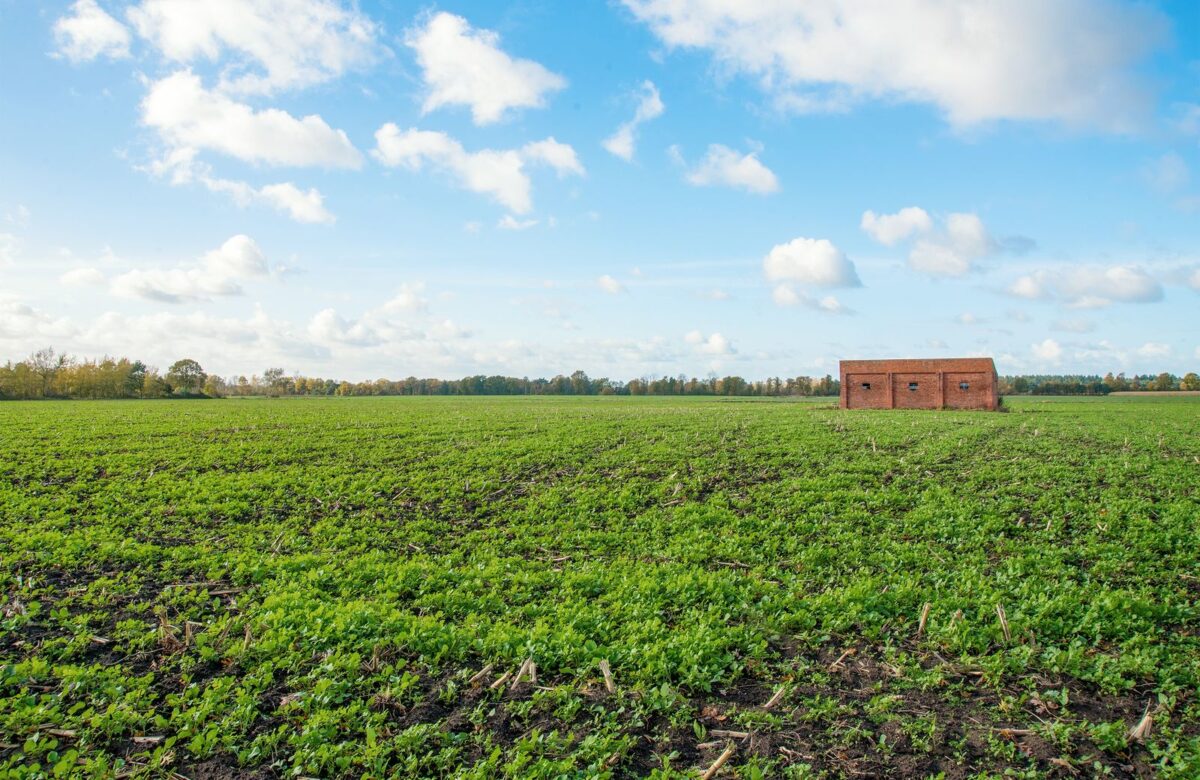
Nature and the Amba River: The Sahyadri Side of Pali
Beyond the temple queues, the Amba river by Pali is the quiet heart of this landscape – a Sahyadri-fed river running through Konkan plains, framed by the Sarasgad and Sudhagad forts.
- The Amba river rises in the Sahyadris and flows roughly 76 km to Dharamtar creek and the Arabian Sea near Rewas.
- It runs through the Pali and Sudhagad countryside, feeding the Konkan plains west of the town.
- You can see the river and its villages from Sudhagad fort, and it flows close to the Ballaleshwar temple at Pali.
- The valley is greenest and fullest during and just after the monsoon (June to October).
- It is a working rural river – beautiful, but to be respected, especially when it runs high in the rains.
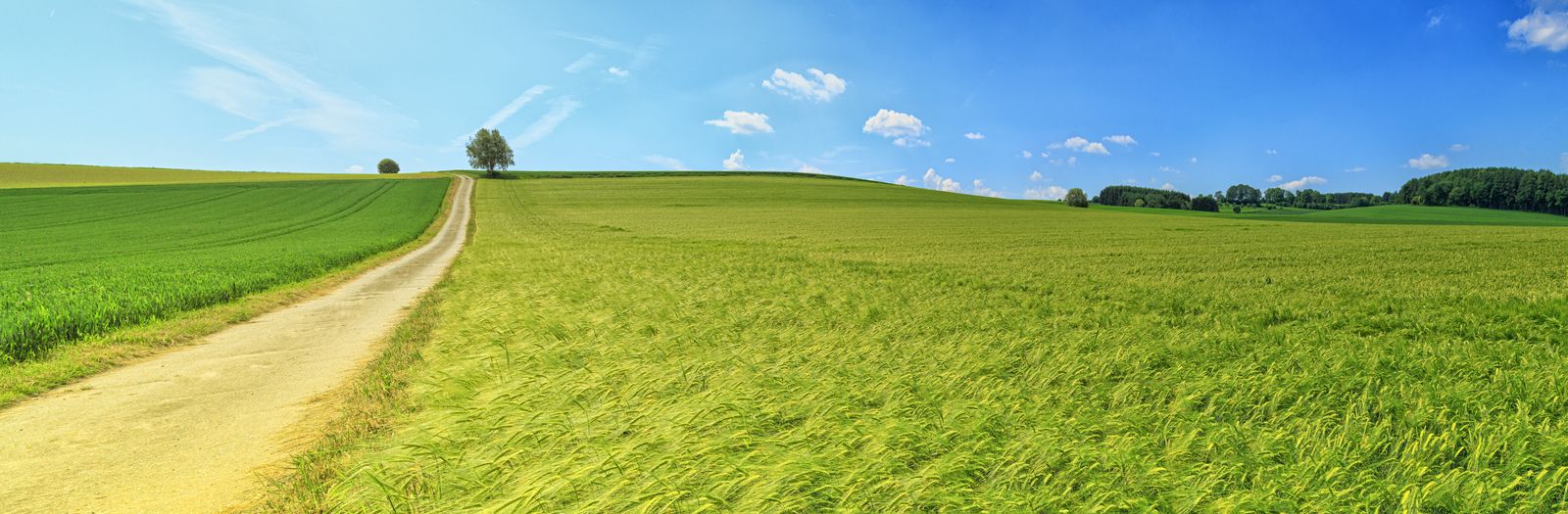
What is the Amba river, and where does it flow near Pali?
The Amba river is a Sahyadri-fed river in Raigad that rises in the Western Ghats and flows roughly 76 km to Dharamtar creek and the Arabian Sea near Rewas. Near Pali it runs through the Sudhagad countryside, feeding the Konkan plains west of the town.
The Amba is a classic Konkan river: born high in the ghats and emptying into a tidal creek on the coast. Along the way it passes the Pali-Sudhagad area, where it shapes the fields, the villages and the views that make this stretch feel so green.
It is not a tourist attraction with a ticket counter – it is simply part of the living landscape, which is much of its charm.
Where can you experience the Amba river and nature around Pali?
You can experience the Amba river and the nature around Pali from the lanes and villages along the river west of town, from the slopes of Sarasgad fort behind Pali, and from the plateau of Sudhagad fort, where the river and its villages spread out below.
There is no single viewpoint; the pleasure here is cumulative. A slow drive through the riverside villages, a short climb up Sarasgad for a wider view, or the longer trek up Sudhagad all show you the Amba valley from a different angle.
Early morning, with mist on the fields, is the most rewarding time to be out.
How does the river shape the landscape and life around Pali?
The Amba river feeds the paddy fields and the Konkan plains around Pali, keeping the countryside green and supporting farming villages. It is fullest in and just after the monsoon, when the valley is at its most lush and the forts rise out of green fields.
Rivers like the Amba are why the Konkan is so fertile. The seasonal rhythm of the river – brimming in the rains, calmer in winter – sets the pattern of farming and daily life in the villages you pass. That rural, unhurried quality is exactly what day-trippers from the cities come looking for.
Why is the Sahyadri side of Pali special for nature lovers?
The Sahyadri side of Pali is special because it combines a river valley, two historic forts, a natural hot spring and birdlife within a small area – a quiet, varied slice of the Konkan that most Ashtavinayak pilgrims drive straight past.
Few places pack this much variety into a short radius: the Amba river, Sarasgad and Sudhagad forts, the Unhere hot springs and green hills, all around one small temple town. For anyone who likes their nature with a bit of history and very few crowds, this corner of Raigad rewards a slower visit.
Which nature spots pair with the Amba river near Pali?
The Amba river pairs naturally with Sarasgad fort behind Pali, Sudhagad fort about 11 km east, the Unhere sulphur hot springs, and the Ballaleshwar Ashtavinayak temple – together making a compact nature-and-heritage circuit in Sudhagad taluka.
A typical loop might take in a riverside drive, a climb up one of the forts for the view, and a stop at the hot springs or the temple. Because everything is close, you can shape the day around the weather and your energy rather than a fixed route.
When is the best time to see the Amba river and the greenery?
The Amba river valley is at its greenest and fullest during and just after the monsoon, from about June to October. Winter, from November to February, is mild and pleasant for drives and fort views, while the river runs lower and the fields turn golden.
For peak green and a full river, come in or just after the rains, but take care near the high water. For comfortable weather and clear fort views, the cool winter months are ideal. Either way, the Amba valley is best enjoyed slowly.
FAQ
Where does the Amba river flow?
The Amba river rises in the Sahyadris in Raigad and flows roughly 76 km to Dharamtar creek and the Arabian Sea near Rewas. Along the way it passes the Pali and Sudhagad countryside, feeding the Konkan plains west of Pali town.
Can you see the Amba river from Sudhagad fort?
Yes. From the plateau of Sudhagad fort, about 11 km east of Pali, you can see the Amba river and its surrounding villages spread out below, which is one of the reasons the fort is a favourite with trekkers who enjoy the view.
Is the Amba river near the Ballaleshwar temple at Pali?
Yes. The Amba river flows close to Pali, where the Ballaleshwar Ashtavinayak temple and Sarasgad fort stand, so the river, the temple and the fort are all part of the same compact area in Sudhagad taluka of Raigad.
What is there to do in nature around Pali?
Around Pali you can drive the riverside villages along the Amba, trek Sarasgad or Sudhagad fort for valley views, visit the Unhere sulphur hot springs, and enjoy the green Konkan plains. It is a compact nature-and-heritage circuit beyond the Ballaleshwar temple.
When is the Amba river valley at its greenest?
The Amba river valley is at its greenest and fullest during and just after the monsoon, from about June to October. Winter is mild and pleasant for drives and fort views, though the river runs lower and the fields turn golden.
Is it safe to swim in the Amba river during the monsoon?
No. The Amba river runs high and fast during the monsoon, so you should not swim in or try to cross it in the rains. Keep children away from the banks and watch for slippery ground near the water, especially after heavy rainfall.
The Sahyadri side of Pali is the sort of quiet that people fall for slowly – and some of them end up wanting a place of their own along the Khopoli-Pali road. If the Amba valley has that effect on you, Lords of the Lands knows this corridor well.
Related reading
Plan your trip
- Ballaleshwar Ashtavinayak temple – the devotee-named Ganpati shrine at the heart of Pali.
- Sarasgad fort trek – the turban-shaped hillfort rising straight above the town.
- Sudhagad fort trek – the big plateau fort a short drive on, good for an overnight.
- Trekking near Khopoli-Pali – the wider trail list across the corridor.
- Fort-hopping itinerary – how to string the area’s forts into one trip.
- Unhere hot springs – warm sulphur rock-cut pools near the Pali temple.
- Hidden gems of Pali and Sudhagad – lesser-known stops beyond the main sights.
- The Ashtavinayak route via Pali – fitting Ballaleshwar into the eight-temple circuit.
- Things to do in Pali – the temple, forts and springs of the Pali side.
- Things to do in Khopoli – the busier, Expressway end of the road.
- Places to visit around Khopoli-Pali – the full corridor sightseeing map.
- Imagicaa theme park, Khopoli – the big family day out near the Expressway.
- Family days out in Khopoli – easy outings for all ages.
- Waterfalls near Khopoli – monsoon cascades within easy reach.
Getting there
- Mumbai to Khopoli-Pali – routes and drive times from the city.
- Pune to Khopoli-Pali – the Expressway approach from Pune.
- Khopoli to Pali drive times – how long each leg of SH-93 really takes.
- Khopoli-Pali to the Navi Mumbai airport – distance and time to NMIA.
Land & investment nearby
- The complete Khopoli-Pali road land guide – the SH-93 corridor, survey by survey.
- Buying land in Pali in 2026 – prices and checks on the Pali side.
- Land near Ballaleshwar and Sarasgad – plots around the temple town.
- A weekend home on the Khopoli-Pali road – building a second home here.
- Khopoli land in 2026 – the Expressway-end land market.
- Weekend villa plot costs on SH-93 – what a build-ready plot really runs to.
Sources
Amba river course and length – public geographic references. Sudhagad and Sarasgad forts, the Unhere hot springs and the Pali countryside – public travel and trekking listings for Pali and Sudhagad, Raigad. Ballaleshwar and taluka details – as described in the Lords of the Lands corridor guide. River levels and access change sharply with the season – take care near high water and confirm local conditions before you travel. This is general travel information, not an endorsement or a booking service.
