
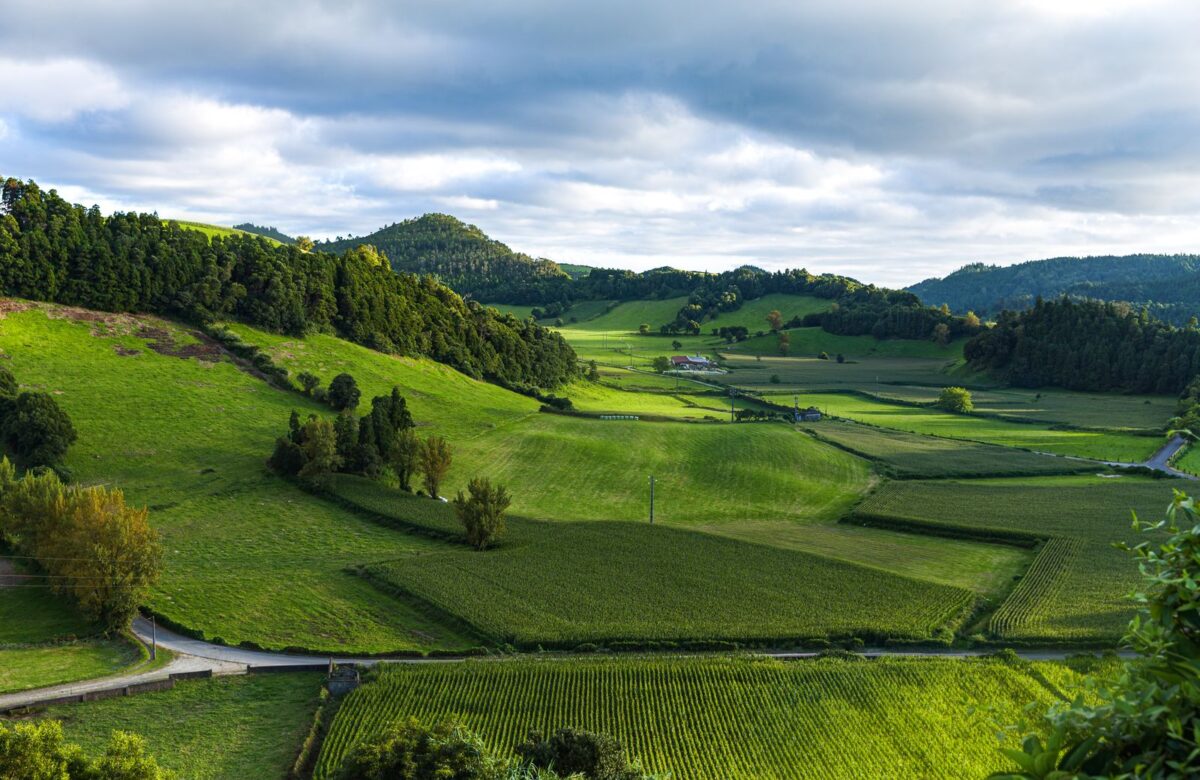
Sarasgad Fort Trek Near Pali: Route, Difficulty and Views
A practical guide to the Sarasgad fort trek near Pali in 2026 – the four-pinnacled hillfort above the temple town, how to reach it, how hard the climb is, and what waits at the top.
- The Sarasgad fort trek climbs a hillfort that rises immediately east of Pali town in Sudhagad taluka, Raigad.
- Sarasgad is known for its four distinctive pinnacles and a Shiva temple on top with wide views over the Konkan plains and surrounding ranges.
- It is a short but steep day trek, graded roughly easy to moderate – and harder in the monsoon, so confirm the current condition locally.
- The base is Pali, about 35 km from Khopoli on the Khopoli-Pali road (SH-93); the Ballaleshwar temple and the Unhere hot springs are close by.
- Sarasgad and Sudhagad fort a short drive east are often called twin forts and are frequently paired over a weekend.
What is the Sarasgad fort trek?
The Sarasgad fort trek is a short, steep day climb up a hillfort that stands directly above Pali in Raigad, Maharashtra. Sarasgad, sometimes called the Pali fort, is recognised by its four pinnacles and carries a Shiva temple and old fortifications on top.
Sarasgad is a classic Sahyadri hillfort trek: compact, sharp and rewarding, with the temple town of Pali laid out below. Because the hill rises straight from the edge of town, you gain height quickly and reach the summit plateau in a single morning. The fort served historically as a watch point over the surrounding region, and its silhouette of four pinnacles makes it easy to pick out from the road. For many first-time Sahyadri trekkers coming from Mumbai or Pune, it is a satisfying introduction without needing a full-day expedition.
Where is Sarasgad fort and how do you reach it from Khopoli?
Sarasgad fort sits immediately east of Pali town in Sudhagad taluka, Raigad. The usual approach is via Pali, about 35 km from Khopoli on the Khopoli-Pali road (SH-93); drivers from Mumbai or Pune typically use the Mumbai-Pune Expressway, exit at Khopoli and continue to Pali, where the trail begins.
Pali is the base for the climb, and the trail starts from the edge of the town below the fort. By car, the simplest line from the Mumbai or Pune side is the Expressway to the Khopoli exit, then State Highway 93 to Pali, roughly 35 km and about 40 minutes in normal traffic. By public transport, reach Khopoli by train on the Karjat-Khopoli branch and take a state transport bus toward Pali. Because trail heads and parking spots can shift, and a short section can be confusing, it helps to ask locally or hire a guide from the base village, especially for a first visit.
How difficult is the Sarasgad fort trek and how long does it take?
The Sarasgad fort trek is generally graded easy to moderate and is usually done in about one and a half to two and a half hours of climbing each way, depending on pace. It turns genuinely slippery and more demanding in the monsoon, so treat the grade as moderate and confirm current conditions locally before you set out.
The climb is steep in parts, with rocky and stepped sections, but it is short enough that reasonably fit walkers manage it comfortably outside the rains. Published accounts vary from easy for beginners to moderate, which is why it is sensible to assume moderate and judge on the day. In the monsoon the same route becomes much harder: wet rock, running water and poor grip change the character of the trek entirely. Carry enough time to come down safely in daylight, and do not push to the top if the rock is streaming or the weather closes in.
Why is Sarasgad fort worth the climb?
Sarasgad is worth the climb for its four pinnacles, the Shiva temple on the summit, and the panoramic views over Pali, the Amba river countryside and the surrounding Sahyadri ranges. Old gateways, rock-cut features and water cisterns add a layer of history to the short effort.
The payoff comes fast for the height gained. From the top you look down over the temple town and out across the Konkan plains to a horizon of ridges and forts – on a clear day you can trace much of the Khopoli-Pali corridor. The Shiva temple gives the summit a quiet focal point, and the remnants of gateways, carved steps and old water cisterns are typical of the region’s hillforts and reward a slow wander around the plateau. The four pinnacles that name the fort are its signature, best appreciated from both the approach and the top.
When is the best time to trek Sarasgad?
The best time to trek Sarasgad is the cooler, drier season from about November to February, when the rock is dry and the views are clearest. The monsoon from June to September turns the hills green but makes the steep rock dangerously slippery, and summer afternoons can be hot and exposed.
Winter is the comfortable choice: firm footing, pleasant temperatures and long, clear views make for an easy, enjoyable climb. The monsoon is spectacular to look at, with waterfalls and green slopes, but the steep, rocky sections are hazardous when wet and are better admired from below than attempted without experience and the right footwear. If you climb in summer, start early to beat the heat, since the upper slopes offer little shade. Whatever the season, give yourself time to descend before dusk.
What should you carry and know before the Sarasgad trek?
For the Sarasgad trek, carry enough water, trail snacks, sturdy shoes with grip, sun protection and a basic first-aid kit, and start early. Avoid the steep rock in heavy rain, consider a local guide for your first visit, and carry all litter back down.
A short list keeps the day safe and simple.
- 1Start early. Begin the climb in the morning so you summit and descend with daylight to spare.
- 2Footwear and water. Shoes with real grip, and more water than you think you need – there is no reliable supply on the trail.
- 3Respect the monsoon. Steep rock becomes slippery and risky in the rains; if in doubt, turn back.
- 4Consider a guide. For a first visit, a local guide from the base village helps with the route and timing.
- 5Leave no trace. Carry out everything you bring, and respect the Shiva temple and any village property on the way.
FAQ
Where does the Sarasgad fort trek start?
The Sarasgad fort trek starts from Pali town in Sudhagad taluka, Raigad, with the hill rising immediately east of the town. Pali is about 35 km from Khopoli on the Khopoli-Pali road, State Highway 93.
Is the Sarasgad fort trek suitable for beginners?
Sarasgad is generally graded easy to moderate and many beginners with basic fitness do it, but it is short and steep with rocky sections. Treat it as moderate, avoid the slippery monsoon rock, and consider a local guide for a first climb.
How long does the Sarasgad trek take?
Most walkers take about one and a half to two and a half hours to climb Sarasgad, depending on pace and conditions, plus time at the top and the descent. Allow a half day and confirm current timings locally.
What is on top of Sarasgad fort?
The summit of Sarasgad has a Shiva temple, old gateways and rock-cut features and water cisterns, and wide panoramic views over Pali, the surrounding countryside and the Sahyadri ranges. The fort is known for its four pinnacles.
Can you combine Sarasgad with Sudhagad fort?
Yes. Sarasgad and Sudhagad are often called twin forts and sit a short drive apart near Pali, so many trekkers pair them over a weekend. Each is a separate climb, so plan an overnight stay if you want to do both at a relaxed pace.
When is the best time to climb Sarasgad?
The best time to climb Sarasgad is the cooler, drier season from about November to February, when the rock is dry and views are clear. The monsoon makes the steep rock slippery and risky, and summer can be hot and exposed.
Many people first meet the Khopoli-Pali corridor on a trek like this – the forts, the temple town and the green ridges – and some end up wanting a plot of their own along the road. If that is you, Lords of the Lands knows this stretch of Raigad well.
Related reading
Plan your trip
- Ballaleshwar Ashtavinayak temple – the devotee-named Ganpati shrine at the heart of Pali.
- Sudhagad fort trek – the big plateau fort a short drive on, good for an overnight.
- Trekking near Khopoli-Pali – the wider trail list across the corridor.
- Fort-hopping itinerary – how to string the area’s forts into one trip.
- Unhere hot springs – warm sulphur rock-cut pools near the Pali temple.
- Amba river nature – the quiet Konkan river country around Pali.
- Hidden gems of Pali and Sudhagad – lesser-known stops beyond the main sights.
- The Ashtavinayak route via Pali – fitting Ballaleshwar into the eight-temple circuit.
- Things to do in Pali – the temple, forts and springs of the Pali side.
- Things to do in Khopoli – the busier, Expressway end of the road.
- Places to visit around Khopoli-Pali – the full corridor sightseeing map.
- Imagicaa theme park, Khopoli – the big family day out near the Expressway.
- Family days out in Khopoli – easy outings for all ages.
- Waterfalls near Khopoli – monsoon cascades within easy reach.
Getting there
- Mumbai to Khopoli-Pali – routes and drive times from the city.
- Pune to Khopoli-Pali – the Expressway approach from Pune.
- Khopoli to Pali drive times – how long each leg of SH-93 really takes.
- Khopoli-Pali to the Navi Mumbai airport – distance and time to NMIA.
Land & investment nearby
- The complete Khopoli-Pali road land guide – the SH-93 corridor, survey by survey.
- Buying land in Pali in 2026 – prices and checks on the Pali side.
- Land near Ballaleshwar and Sarasgad – plots around the temple town.
- A weekend home on the Khopoli-Pali road – building a second home here.
- Khopoli land in 2026 – the Expressway-end land market.
- Weekend villa plot costs on SH-93 – what a build-ready plot really runs to.
Sources
Sarasgad fort location east of Pali, its four pinnacles, summit Shiva temple and panoramic views – public trekking listings and heritage records for Raigad. Trek grade and timing vary by source, season and fitness and are given as a general guide only. Pali, Ballaleshwar, the Unhere hot springs, Sudhagad and the Khopoli-Pali road (SH-93) – as described in the Lords of the Lands corridor guide. Trail conditions change with the weather – confirm locally and trek responsibly. This guide is general travel information, not a safety certification.
