
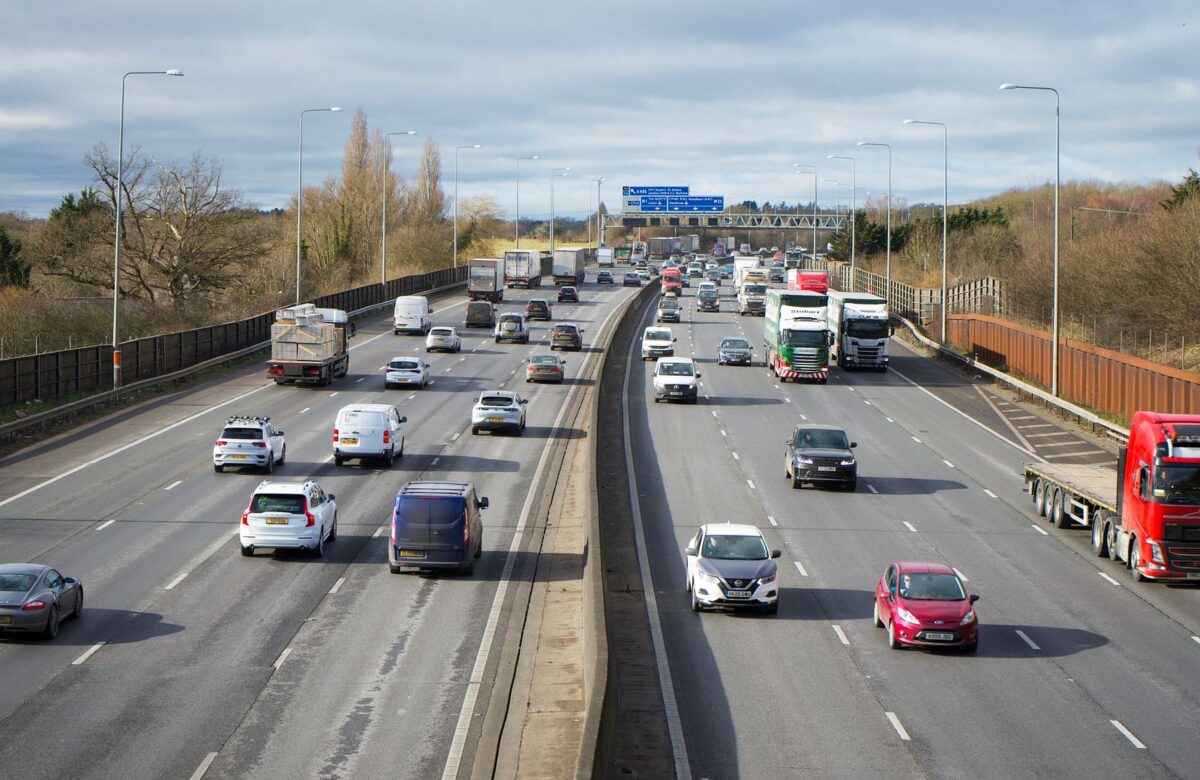
How Infrastructure Announcements Move Land Prices: A Framework
Every new road, bridge, airport or metro arrives first as a headline, and the headline is where most buyers get it wrong. Understanding how infrastructure announcements move land prices - and, just as often, fail to - is what separates a sober corridor bet from paying today for a promise that may never pour concrete.
- Infrastructure can lift land value, but not every announcement does. The stage a project has reached matters far more than the fact that it was announced.
- There is a credibility ladder. Idea, then sanction and budget, then funding and contract, then construction, then operational - price tends to respond most once a project is funded and being built, and again when it opens.
- Announcements are cheap and often slip. A press release costs nothing and commits no money, which is exactly why mere announcements move prices least.
- Signal lives in documents, not drawings. A sanctioned report, an allocated budget, an awarded contract and visible work on the ground tell you more than any brochure.
- Access beats proximity. The uplift accrues to land with real, improved connection to the new infrastructure, not to everything that happens to sit nearby.

What explains how infrastructure announcements move land prices?
New connectivity changes what a location is worth because it changes who can reach it and how quickly. But the market does not pay for the idea of a project - it pays, in stages, for the growing certainty that the project will actually exist and function.
Land value is, at root, a claim on future access and future demand. A road that halves a drive time, an airport that puts a region on the national map, a metro that links a suburb to jobs - each widens the pool of people who might one day want that land. That is the real mechanism behind a price move, not the announcement itself.
The reason timing is so misunderstood is that the certainty arrives slowly while the headline arrives all at once. A proposal can be announced with great fanfare and then sit unfunded for years. A disciplined buyer reads the announcement as the opening of a question, not the answer - how far along is this project, and how likely is it to be built on anything like the stated timeline?
Why does an announcement alone rarely move prices for long?
An announcement commits no money and binds no one. Ideas are proposed, renamed, re-routed and quietly shelved all the time, so a market that has seen enough of them learns to discount a project that exists only on paper.
There is a simple asymmetry at work. Making an announcement is almost free, so there are always far more announced projects than built ones. A speculator can push a local price on the day of a big headline, but if no sanction, budget or contract follows, that bump tends to fade as the news gets old and nothing moves on the ground.
This is why experienced buyers treat stage-one news as information, not as a trigger to transact at a premium. The announcement tells you a project is being talked about. It does not tell you the land near it is worth more yet - and paying as if it is already built is the most common mistake in a hyped corridor.
What is the credibility ladder from idea to operational?
Think of a project as climbing five rungs - announcement, then sanction with land acquisition and budget, then tied-up funding with work awarded, then under construction, and finally operational. Each rung it climbs removes a layer of doubt, and price tends to respond most once a project is funded and under construction, and again when it opens.
The early rungs are cheap to reach and easy to abandon. The later rungs are expensive and hard to reverse - once contracts are signed, money is committed and machines are on site, a project has real momentum and a far higher chance of completion. That is why the credibility ladder, not the calendar, is the better guide to when value actually arrives.
No ladder is perfectly tidy. Projects can stall even after construction starts, and a few move faster than expected. But as a way to read a corridor, asking which rung a project has genuinely reached is far more useful than asking how exciting the headline sounds.
| Stage | What it means | Typical price response |
|---|---|---|
| 1. Announcement | Idea proposed, nothing committed | Noise, often fades |
| 2. Sanction and budget | Approved, land and funds earmarked | First credible signal |
| 3. Funded and awarded | Money tied up, contract given | Firmer re-rating |
| 4. Under construction | Visible work on the ground | Strongest sustained move |
| 5. Operational | Project open and in use | Second re-rating on opening |
How do you separate a real project from the hype around it?
Ask for evidence that belongs to the later rungs of the ladder. Is there a sanctioned detailed project report, an allocated budget, an awarded contract, visible work on the ground and a realistic timeline - and who is the implementing authority responsible for delivering it?
Documents are harder to fake than drawings. A sanctioned detailed project report (DPR) and a line in a government budget are public commitments that can be checked; a glossy site brochure is not. When a seller leans on the name of a project but cannot point to where it sits on the ladder, that gap is itself the answer.
The implementing authority matters too, because delivery capacity varies. A corridor driven by a well-resourced national or state agency with a track record of finishing work is a different proposition from one that depends on a body with a history of stalled projects. None of this guarantees an outcome, but it tells you how much weight the news deserves.
Why does distance and access matter more than simply being nearby?
Infrastructure rewards access, not adjacency. The land that gains is land with a real, improved connection to the new asset - an interchange, an on-ramp, a station, a usable approach road - rather than every parcel that happens to be described as close to it.
A sealink or expressway can run within sight of a village and still do little for it if there is no entry or exit for kilometres. Conversely, a plot a little further away but sitting on a genuine feeder road to a new interchange can benefit far more. When you read a corridor, trace the actual route a person would drive from the plot to the new infrastructure and back, not the straight-line distance on a map. Regional examples make the point - Atal Setu, the Navi Mumbai airport and the Expressway Missing Link are all talked about as area-wide boons, yet the land that truly gains from each is the land with real access to them, and some of those projects are built while others are still being delivered.
At Lords of the Lands we weight only committed, under-construction infrastructure when we read a corridor - we check the sanctioned plan and project documents under the Maharashtra Regional and Town Planning (MRTP) Act, 1966 framework, and we discount anything still stuck at the announcement rung, so a connectivity story only counts for us once it has concrete behind it and real access to the plot.
How should a buyer act on how infrastructure announcements move land prices?
Treat the framework as a buying rule, not just an explanation of how infrastructure announcements move land prices: pay today only for the connectivity a project has already earned on the credibility ladder, and leave the later rungs as upside you have not paid for.
In practice that means pricing the plot on its current access and current demand, then asking what a funded, under-construction project would add if it completes - and refusing to pay that second number in full while the project is still a headline. If a corridor only works at the price being asked because an announced airport or expressway gets built on time, the deal is a bet on the announcement, not on the land.
The disciplined move is to buy land that stands on its own fundamentals - clean title, real present access, a sensible entry price - and to treat any committed infrastructure as a margin of safety rather than the whole thesis. That way a slipped timeline disappoints you but does not sink you, and a project that does complete becomes genuine upside instead of the reason you overpaid.
FAQ
Do infrastructure announcements always raise land prices?
No. An announcement commits no money and can be re-routed or shelved, so prices driven by a headline alone often fade if no sanction, budget or contract follows. Land value responds most once a project is funded and under construction, and again when it opens.
At which stage does a project move land prices the most?
Usually once it is funded and visibly under construction, because contracts are signed, money is committed and work is on the ground, which is hard to reverse. There is often a second re-rating when the project becomes operational and people can actually use it.
How can you tell a real project from hype?
Look for evidence from the later rungs of the ladder - a sanctioned detailed project report, an allocated budget, an awarded contract, visible work on the ground and a realistic timeline. Check who the implementing authority is and whether it has a record of finishing work.
Does being near new infrastructure guarantee a plot benefits?
Not on its own. The uplift goes to land with real, improved access - an interchange, station or usable approach road - rather than every parcel described as nearby. A plot in sight of an expressway with no entry point for kilometres may gain little.
Why do promoters sell on announced projects?
Because stage-one hype is the cheapest to market and the hardest to disprove. A layout priced on a future airport, metro or expressway that is still only announced is being sold on a maybe, so confirm the project has climbed past the announcement rung before paying a connectivity premium.
Before you pay a connectivity premium on a corridor story, Lords of the Lands can help you place each project on the credibility ladder and check whether the plot actually benefits from it.
Related reading
Infrastructure and corridors
- Atal Setu and Raigad land - a built project and what it did for access.
- Navi Mumbai airport status - reading a project that is still being delivered.
- The Expressway Missing Link - a construction-stage project near Khopoli.
- NMIA and Raigad land impact - who actually gains from the airport.
- Why infrastructure timelines slip - how announced dates drift.
Comparing corridors and risk
- How to compare land corridors - a structured way to read competing stories.
- Risks of buying in emerging corridors - what can go wrong early.
- Areas appreciating near Mumbai - where value is actually moving.
- MMR growth corridors - the wider regional map.
The bigger regional picture
- Mumbai 3.0 infrastructure - the projects reshaping the region.
- NAINA vs KSC vs Mumbai 3.0 - how the big plans differ.
- Samruddhi Mahamarg and land - a corridor at operational stage.
Citations and sources
This article is a general investment framework and refers to public project records - sanctioned detailed project reports, budget allocations and tender awards - and to the Maharashtra Regional and Town Planning (MRTP) Act, 1966, which governs the sanctioned plans a corridor is read against. It does not rely on any specific figures or guaranteed outcomes. This is general information, not legal, tax or investment advice - verify the stage, funding and implementing authority of any project, and the sanctioned plan for the exact survey number, before you transact. Official sources: gr.maharashtra.gov.in, urban.maharashtra.gov.in, cidco.maharashtra.gov.in
