
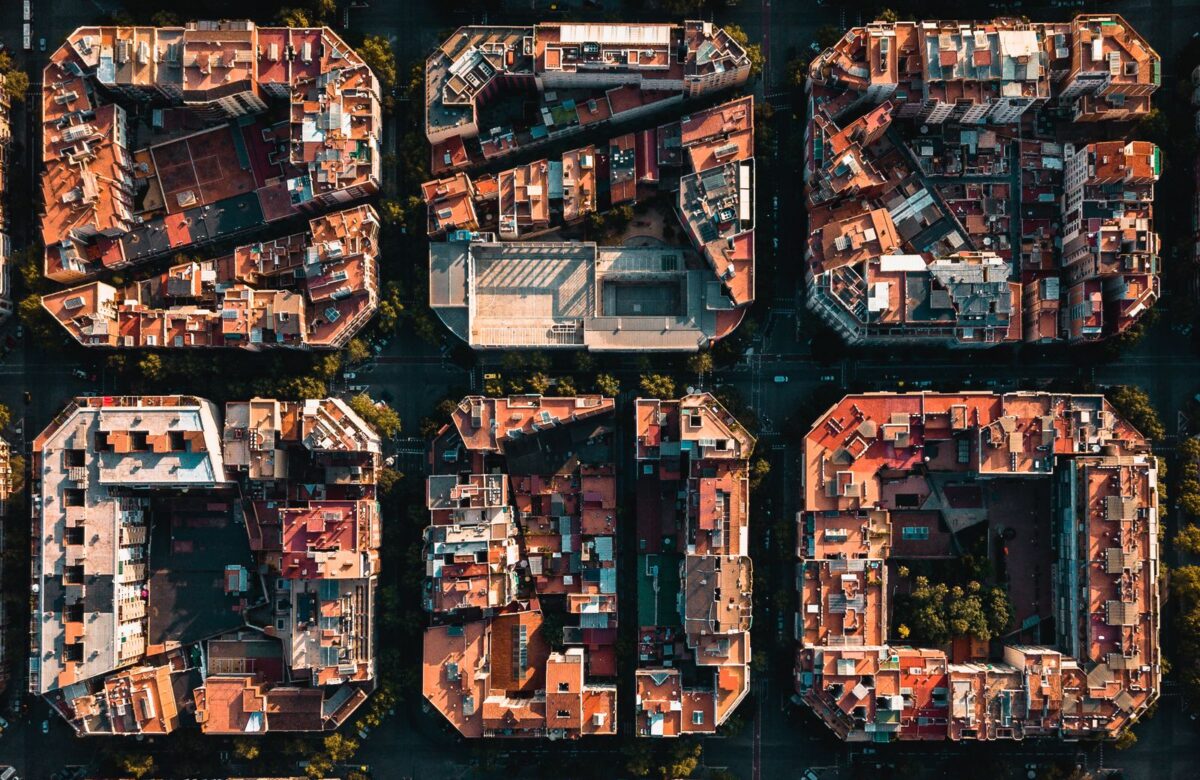
What’s the Difference: Land vs Plotted Development?
Buying raw land means buying a survey number and taking on the conversion, layout, approval, infrastructure and title work yourself. Buying a plot in a plotted development means buying a defined plot inside a sanctioned layout where that work has been done, paid for and documented. The price gap is the cost of that work plus the developer’s margin — and the honest question is not which is cheaper per guntha, but which one you are equipped to finish.
Both are described as “buying land”. They are different transactions, with different risk, different timelines and different things to verify. Buyers who do not separate them tend to compare the two on price per guntha, which is the one basis on which the comparison is meaningless.
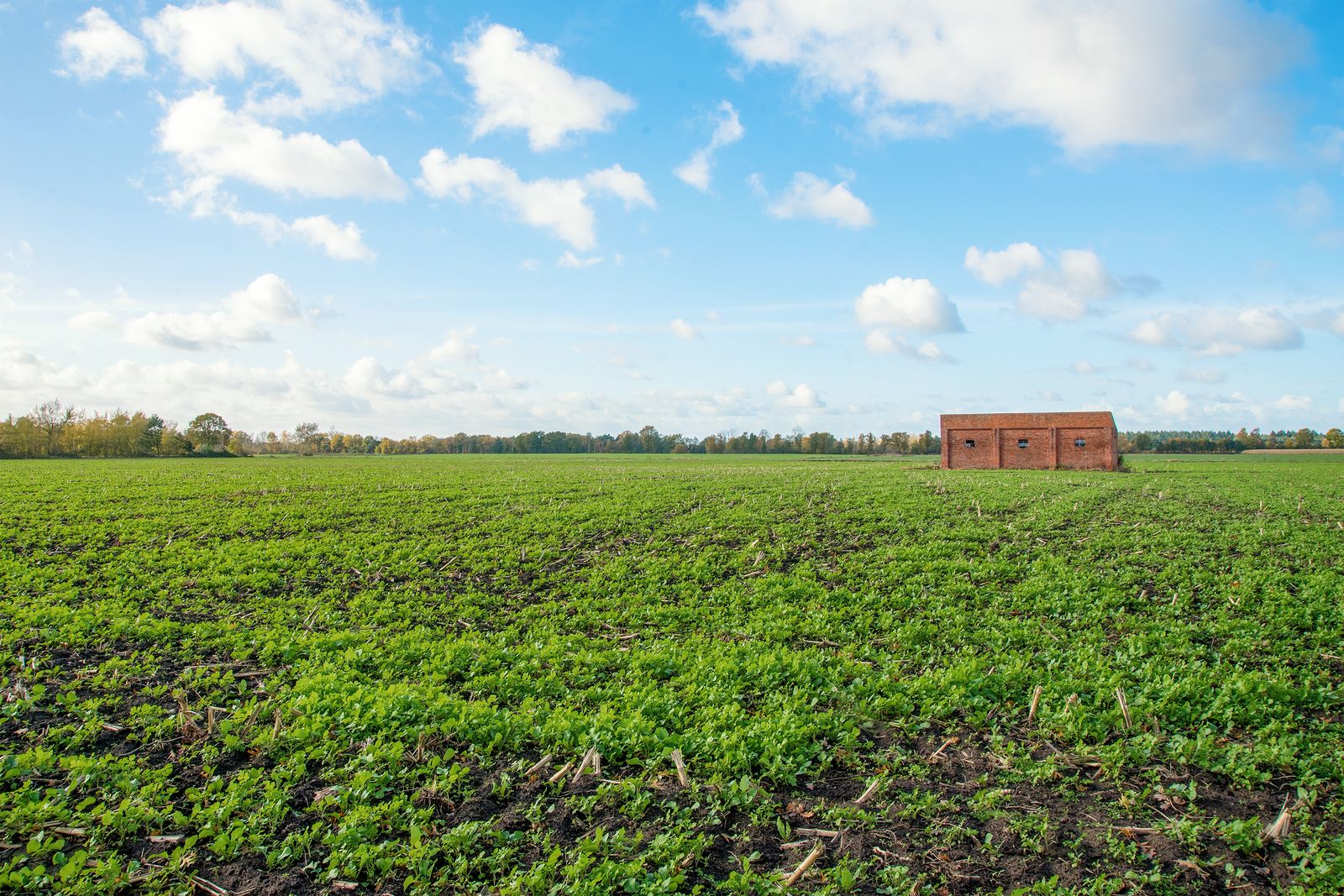
What do you get in each case?
Raw land conveys a share of a survey number with revenue boundaries and everything — conversion, layout, access, services, title and RERA cover — left to you; a plotted development conveys a numbered, demarcated plot in a sanctioned layout where that work is done, at a higher per-unit price.
| Raw land (a survey number) | Plot in a plotted development | |
|---|---|---|
| What is conveyed | A share or the whole of a survey number, by area | A numbered plot in a sanctioned layout, with defined boundaries |
| Boundaries | Revenue boundaries, often undemarcated on the ground | Demarcated plot with dimensions on the sanctioned plan |
| Land use conversion | Your responsibility | Done, or within the developer’s sanction |
| Layout approval | You apply, if you want to sub-divide | Already sanctioned by the planning authority |
| Access road | Whatever exists; may need an easement | Internal road of sanctioned width, dedicated in the layout |
| Water, power, drainage | You arrange | Developed as part of the layout works |
| RERA cover | None on a private sale between individuals | Registered project, with disclosure and complaint rights |
| Title work | Entirely yours | Done at parent-parcel level; verify it yourself anyway |
| Time to buildable | Months to years | Immediate, subject to your own building sanction |
| Price per unit area | Lower | Higher |
Where does the price gap actually go?
Not into pure margin: it covers assembling and curing multiple title chains, survey, conversion and the statutory premium, layout sanction and its mandated set-asides, the physical works, the land given up to roads and open space that is never sold, RERA compliance, and the carrying cost over the years all of that takes.
It is worth being specific, because “developer premium” is used as if it were pure margin. The gap between raw land and a serviced plot covers, at minimum:
- Assembling multiple survey numbers into a contiguous parcel, which usually means dealing with several families and several title chains.
- Curing the title defects that assembly uncovers — missing heirs, tenancy entries, unsatisfied mortgages, area discrepancies.
- Survey and demarcation.
- Land-use conversion and the statutory premium.
- Layout design and sanction from the planning authority, including the mandated open space and amenity set-asides.
- Physical works: internal roads, storm water drainage, water supply, electrification, compound wall, plantation, entrance.
- The land given up to roads, open space and amenities, which does not get sold.
- MahaRERA registration, disclosures, quarterly reporting and audit.
- Carrying cost over the years the above takes, plus margin.
The land given up is the item buyers most often miss. In a sanctioned layout a material share of the gross area becomes roads, open space and amenity — land the developer bought and cannot sell. The per-guntha price of the saleable plots has to absorb that.
When is raw land the right choice?
When you want a large single holding, have the professional capacity and patience to run the diligence and approvals yourself, are on a long unfinanced timeline, or are buying for agricultural use that needs no conversion — because raw land is a project, not a purchase.
It genuinely is, for some buyers. Raw land makes sense when:
- You want a large single holding and have no intention of sub-dividing.
- You have, or can retain, the professional capacity to do the diligence and the approvals — an advocate who does revenue work, a surveyor, an architect or liaison consultant.
- Your timeline is long and you are not financing on a schedule.
- You are buying for agricultural or plantation use where conversion is not needed.
- You can absorb the possibility that the parcel turns out to be unbuildable and is worth only what the next holder will pay for it as-is.
The common thread is capacity and patience. Raw land is a project, not a purchase.
When is a plotted development the right choice?
When you want a defined plot you can build on within a known timeframe, want the access, services and approvals to already exist, want a registered project with a complaints forum, or want an asset a future buyer can verify quickly — and are not placed to run a two-year approvals process yourself.
- You want a defined plot you can build on within a known timeframe.
- You want the access, services and approvals to exist rather than to be arranged.
- You want a registered project with disclosure obligations and a complaints forum.
- You intend to resell, and want an asset a future buyer can verify quickly — which is a real liquidity advantage.
- You are not in a position to run a two-year approvals process yourself.
Does a plotted development remove the risk?
No — it relocates risk rather than removing it: the parent title risk still reaches you, your plot may sit outside the registration, infrastructure may be sanctioned rather than built, common areas may never be dedicated, and amenities shown in renderings may lie outside the sanctioned plan.
No. It relocates it, and the residual risks are different.
Parent title risk remains. Your plot’s title runs through the developer’s title to the parent parcel. A defect there reaches you. Read the parent chain; do not accept that it was “cleared”.
Your plot may sit outside the registration. A developer holding adjoining unregistered land can sell from the whole holding on the strength of one number. Match your plot number against the registered layout.
Infrastructure may be promised rather than built. Sanctioned works and completed works are different. Inspect what exists.
Common areas may never be handed over. Roads and open spaces in a layout are to be developed and dedicated as the sanction requires. Ask what the position is and what the mechanism for handover is.
Amenity promises may be outside the sanction. A clubhouse in a rendering that does not appear on the sanctioned plan is a rendering.
What should you verify in each case?
For raw land, the full title and regulatory set — 7/12, mutation chain, tenure, zone, access, encumbrance search and demarcation; for a plot, all of that for the parent parcel plus the sanctioned layout plan bearing your plot number, the MahaRERA entry, the progress filings, the works actually built and the common-area handover terms.
For raw land: 7/12 extract, full mutation chain, tenure class, zone under the applicable plan, access rights and width, encumbrance and litigation search, physical demarcation by a surveyor, and whether the land is under any acquisition or reservation alignment.
For a plot in a development: all of the above for the parent parcel, plus the sanctioned layout plan with your plot number on it, the planning authority’s sanction and its conditions, the MahaRERA registration and its registered survey numbers, the quarterly progress filings, the works actually completed on site, and the terms on which common areas will be handed over.
Note that the second list contains the first. Buying in a sanctioned layout does not remove the diligence; it means much of it has already been done and is available for you to check rather than to commission.
How does each one fail?
Raw land fails slowly — a zone that does not permit your use, access that is not a right, an heir omitted mutations back — while a plotted development fails through the developer, when works stall, the registration lapses or common areas are never dedicated; both are visible in the documents in advance, neither from the site.
Raw land fails slowly. You buy, and then discover the zone does not permit what you intended, or the access is not a right, or an heir was omitted three mutations back. The money is committed and the remedy is litigation or resale at a discount.
Plotted development fails through the developer. The layout is sanctioned but the works stall, the registration lapses, the adjoining unregistered land was what you were sold, or the common areas never get dedicated. The remedies are better — a registration, a forum, a disclosure record — but you are dependent on someone else’s execution.
Both failures are visible in advance in the documents. Neither is visible from the site.
How Lords of the Lands is structured
We do the assembly, the title work, the conversion, the layout sanction and the physical development, and sell defined plots inside sanctioned layouts across Karjat, Khopoli and the Raigad coast. What that means in practice is that a buyer’s diligence becomes verification rather than investigation: the parent chain, the layout sanction, the plot dimensions, the road widths and the registration are on file and available to read — and to hand to your own advocate — before any payment is taken. If you are comparing a plot of ours against raw land at a lower per-guntha rate, the fair comparison is against raw land plus the cost, time and risk of everything in the list above.
Frequently asked questions
Is raw land always cheaper?
Per unit area at purchase, usually yes. Per buildable, serviced unit area after you have completed the conversion, layout, approvals and works, frequently not.
Can I sub-divide raw land myself?
Only with layout sanction from the planning authority, subject to minimum plot sizes, road widths, open space and the applicable development control regulations. It is the same process a developer runs.
Does RERA apply to raw land sold by an individual?
A private sale of a single parcel by an individual is generally outside the project registration regime. That means no disclosure obligation and no complaints forum.
Which resells more easily?
A plot in a sanctioned layout, in most conditions, because the next buyer can verify it quickly and can build on it immediately. Liquidity is a function of how easy you are to check.
Can I convert raw land to a plotted layout later?
Yes, if the zone permits and the land meets the layout requirements. Budget for the approvals, the set-asides and the works, and for the time.
Related reading
Investment strategy
- Plotted land vs a flat in MMR
- Land banking near Mumbai
- Which areas are appreciating near Mumbai
- The real risks in emerging corridors
- Land liquidity: selling a plot
- How to compare land corridors
Title & approvals
- What NA land actually means
- The NA conversion premium
- The land title checklist
- How to check a plot’s NA status
- Building permission for a plot
Location guides
- How to judge a project for yourself
- How to shortlist a plot
- What a villa plot actually is
- The documents to check, in order
- NA plot vs agricultural land
- Alibaug vs Karjat and Khopoli
- Karjat, Khopoli or Shrivardhan
- Karjat vs Khopoli
- Plotted land vs an apartment
- What Lords of the Lands builds
Citations and sources
Sources: Maharashtra Land Revenue Code, 1966; Maharashtra Regional and Town Planning Act, 1966; Unified Development Control and Promotion Regulations for Maharashtra (layout, open space and road width requirements); Real Estate (Regulation and Development) Act, 2016, Sections 3, 4 and 11. This article is general information current as of September 2026 and is not legal advice. Have any specific parcel or layout examined by your advocate before you transact. Official sources: UDCPR / Urban Development Dept · MahaRERA.
